Short, frequent breaks to stand and walk are better than sitting continuously.
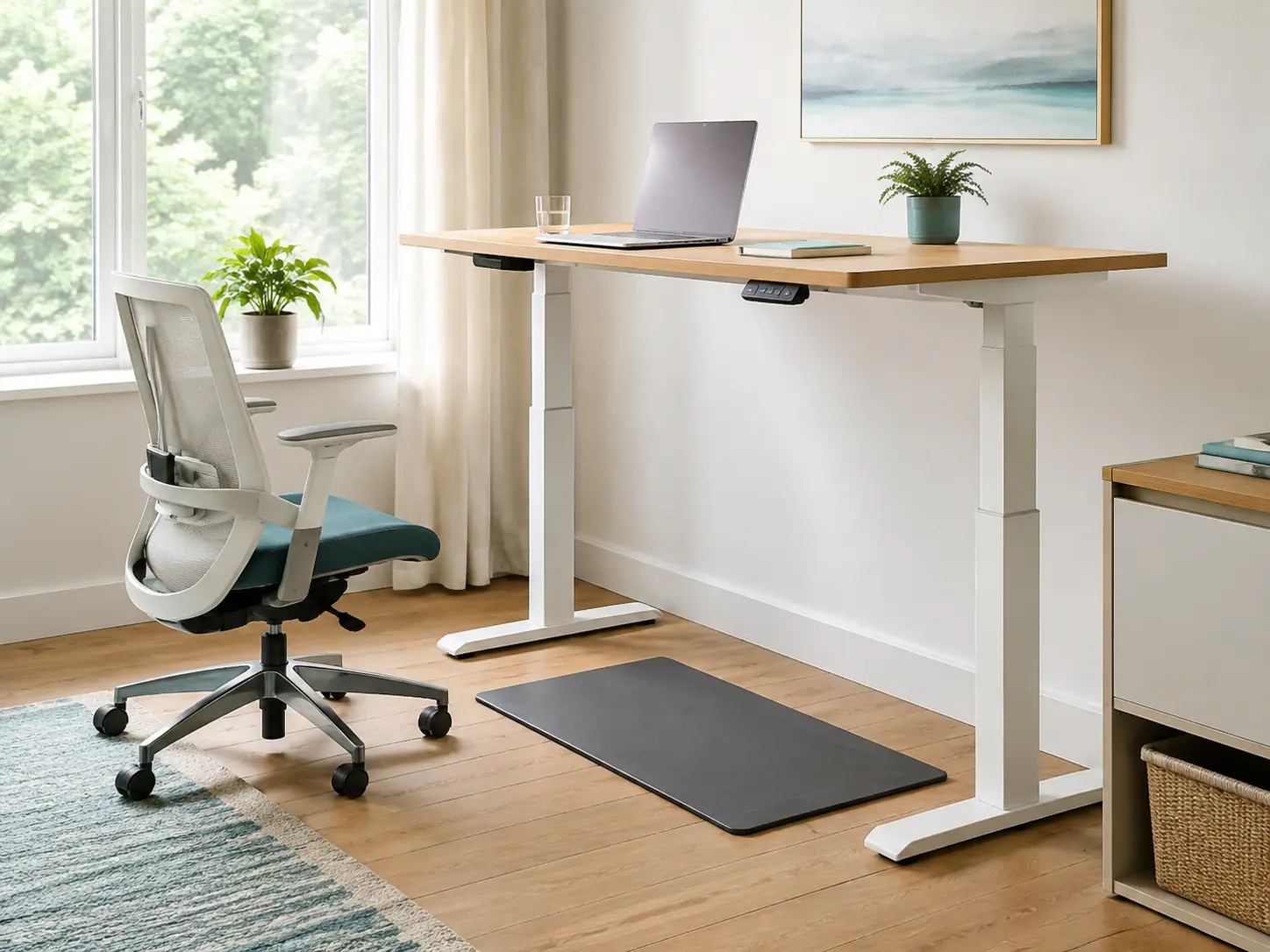
Every 30–60 minutes, get up for a few minutes, walk or do simple movements. Daily exercise is useful but does not remove every effect of prolonged sitting. Arrange your workspace so that changing position is easy.
Medical principle
Regular movement supports heart, muscle, bone and balance health. Gradually increasing intensity and using proper technique is safer and more sustainable than suddenly starting a strenuous programme.
Practical steps that may help
- Split weekly activity into short sessions and start at a level you can maintain.
- Combine aerobic activity, strength, balance and flexibility according to age and ability.
- Use pain to guide activity adjustments; do not respond to sharp or increasing pain by pushing harder.
When should you seek medical care?
Sudden weakness, incontinence, saddle-area numbness, limb deformity, inability to bear weight, chest pain or breathlessness during activity require prompt assessment.
View a trusted medical source ↗