
How much sleep do adults really need?
For most adults, at least seven hours of regular sleep is a useful starting point.
Clear, evidence-based information for common everyday health questions.
For most adults, at least seven hours of regular sleep is a useful starting point.

A short nap can improve alertness; long or late naps may disrupt sleep at night.

Anaemia, thyroid problems, sleep disorders, stress and some medicines are possible causes.

Screen light and stimulating content can make falling asleep harder.

Caffeine lasts for hours, and sensitivity varies between people.

Fluid needs vary with weather, activity, diet and health.

The quality and amount of carbohydrates matter more than eliminating them.

Whole fruit usually provides more fibre and slower sugar absorption.

Bread, salty cheese, processed meat, canned food and snacks can contribute much of our daily salt.

Vegetables and fruit, appropriate protein and whole grains form the basis of a varied meal.

Some gas is normal; fast eating, fizzy drinks and certain foods increase it.

Gradually increasing fibre, adequate fluids and daily movement are usual first steps.

Smaller meals, time before lying down and identifying triggers may reduce symptoms.

Replacing fluids and salts is the priority, especially for children and older adults.

Severe or worsening pain, a rigid abdomen, fainting, bleeding or persistent vomiting are warning signs.

Temperature alone is not the only measure; general condition and accompanying symptoms matter.

Some painkillers irritate the stomach or may be unsuitable for the kidneys or certain patients.

Colds and flu are viral; antibiotics do not act on viruses.

Supplements can interact with medicines or cause harm at high doses.

Sudden severe headache, weakness, speech problems, fever or neck stiffness are warning signs.

Ultraviolet rays pass through clouds and can reach skin even in cool weather.

Sweating, swimming and drying the skin reduce sunscreen protection.
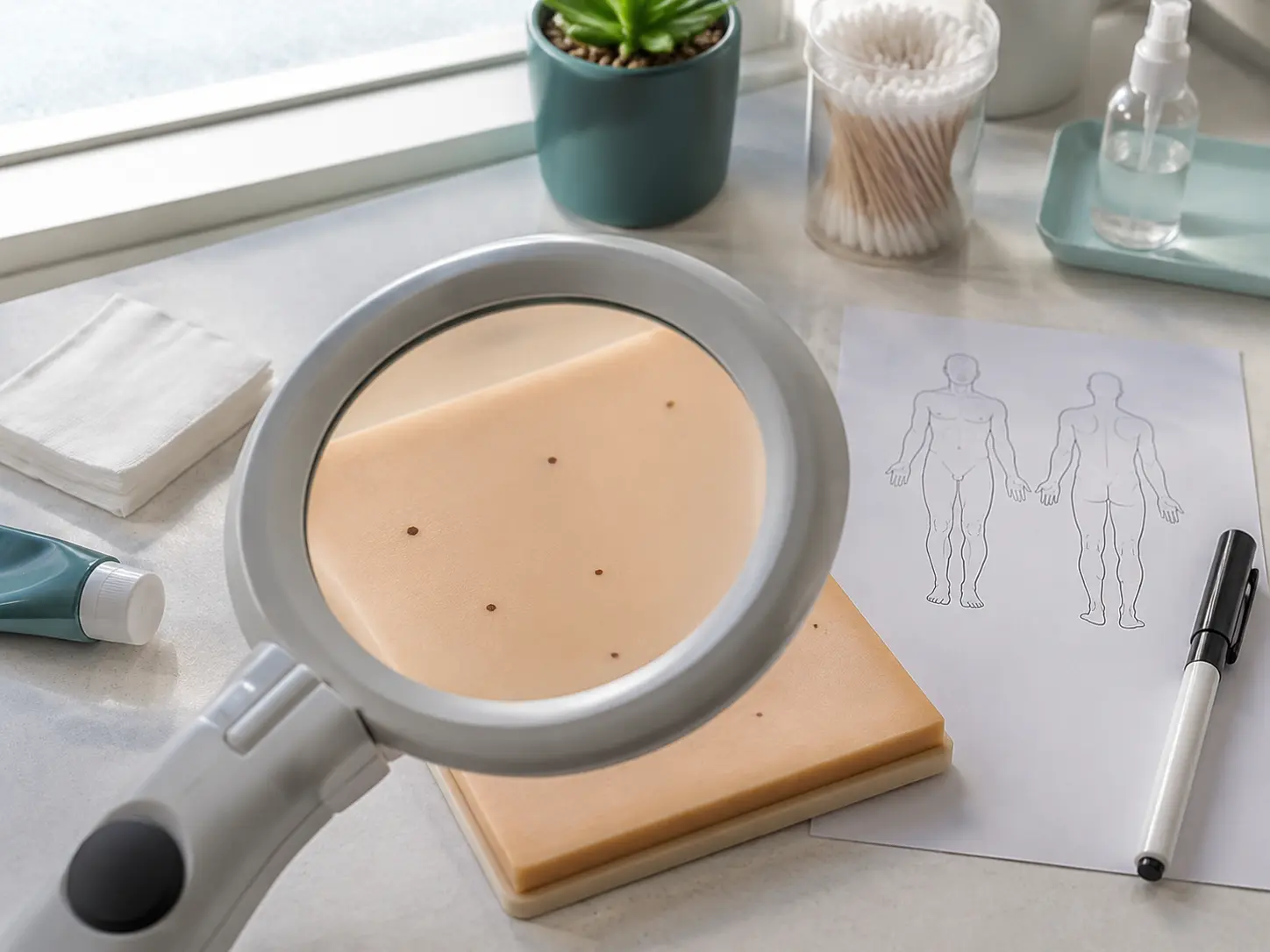
Asymmetry, irregular borders, multiple colours, growth or new changes matter.

Cool running water helps; direct ice and unproven household remedies are unsuitable.

Suitable clothing and correctly used repellent help reduce bites.
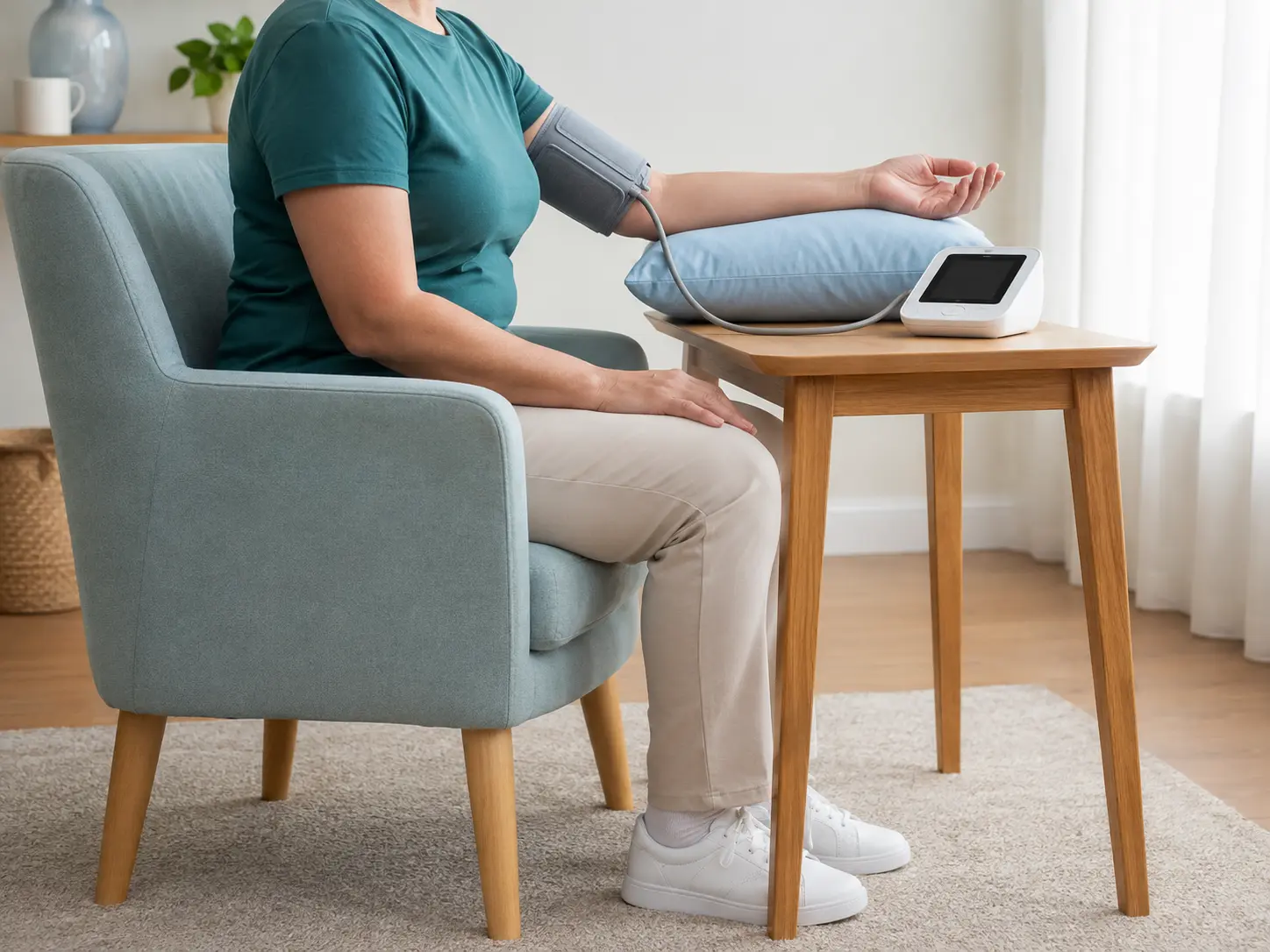
Five minutes of rest, correct sitting posture and a properly sized cuff improve reliability.

It is often symptomless; correct measurement is the way to know.
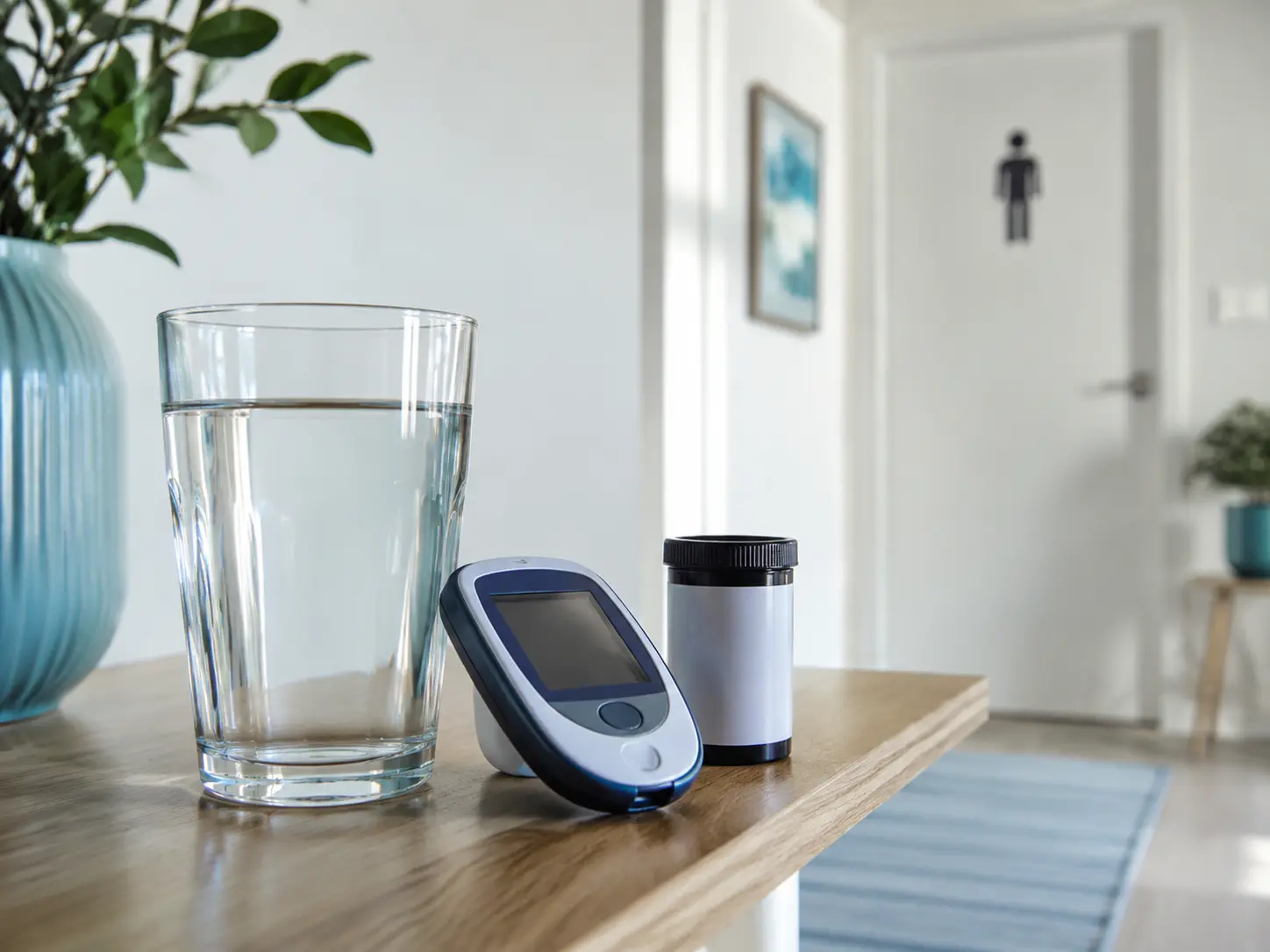
Thirst, frequent urination, weight loss and blurred vision may occur, but symptoms may be absent.

Reducing sodium is an established part of preventing and controlling high blood pressure.
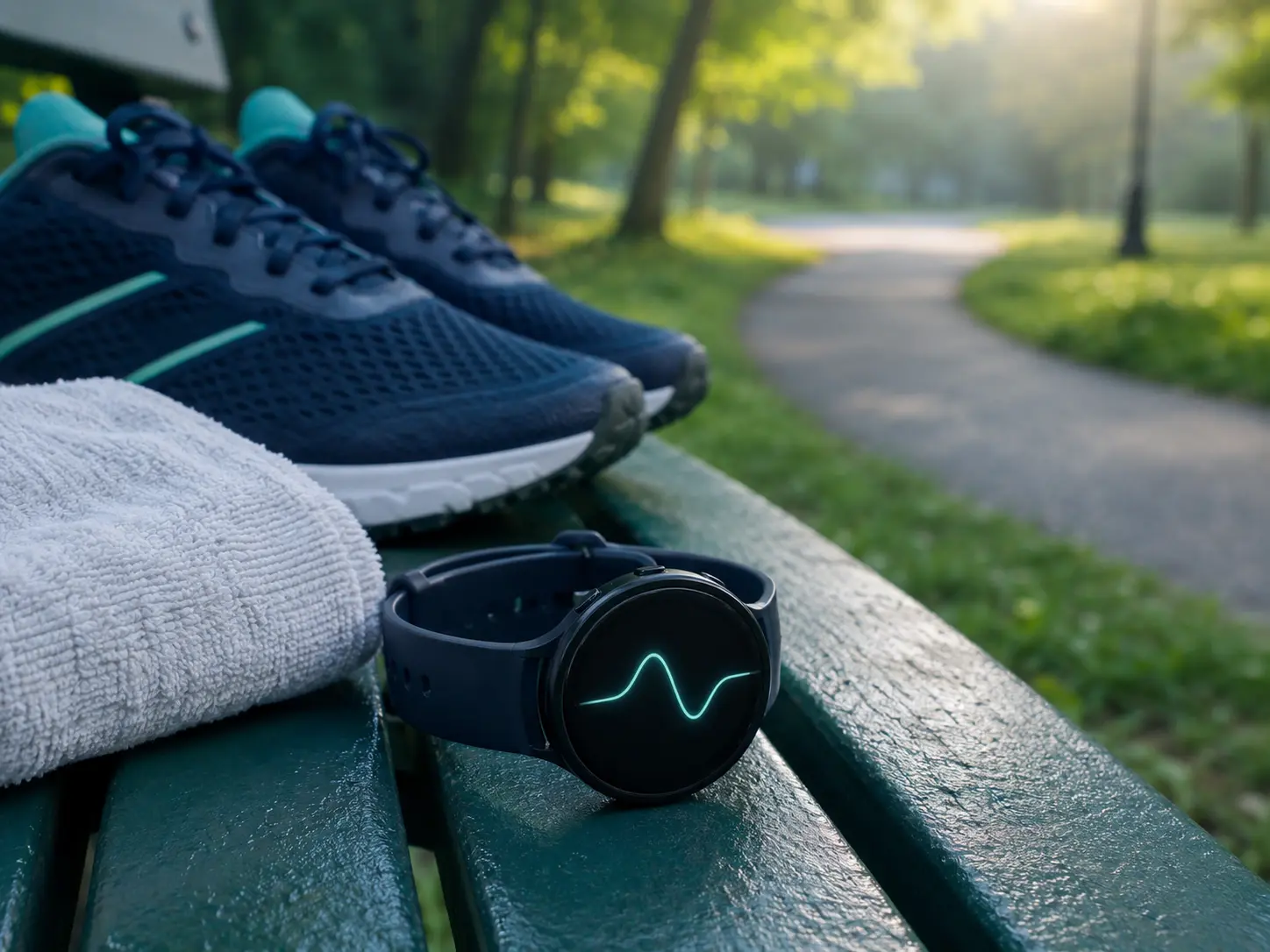
Activity, stress, fever and caffeine affect heart rate; accompanying symptoms matter.

For most adults, 150 minutes of moderate activity per week is a basic goal.

Short, frequent breaks to stand and walk are better than sitting continuously.

For most uncomplicated back pain, gentle movement is better than prolonged rest.

Keep the load close, use your legs and avoid twisting while lifting.

Gradual soreness one or two days later is common; sudden localised pain suggests injury.

Itchy eyes and repeated sneezing suggest allergy; fever and body aches are more common in infection.

Breathlessness, blood, chest pain or a persistent cough are important signs.

Saline can reduce mucus and some irritants when used correctly and hygienically.
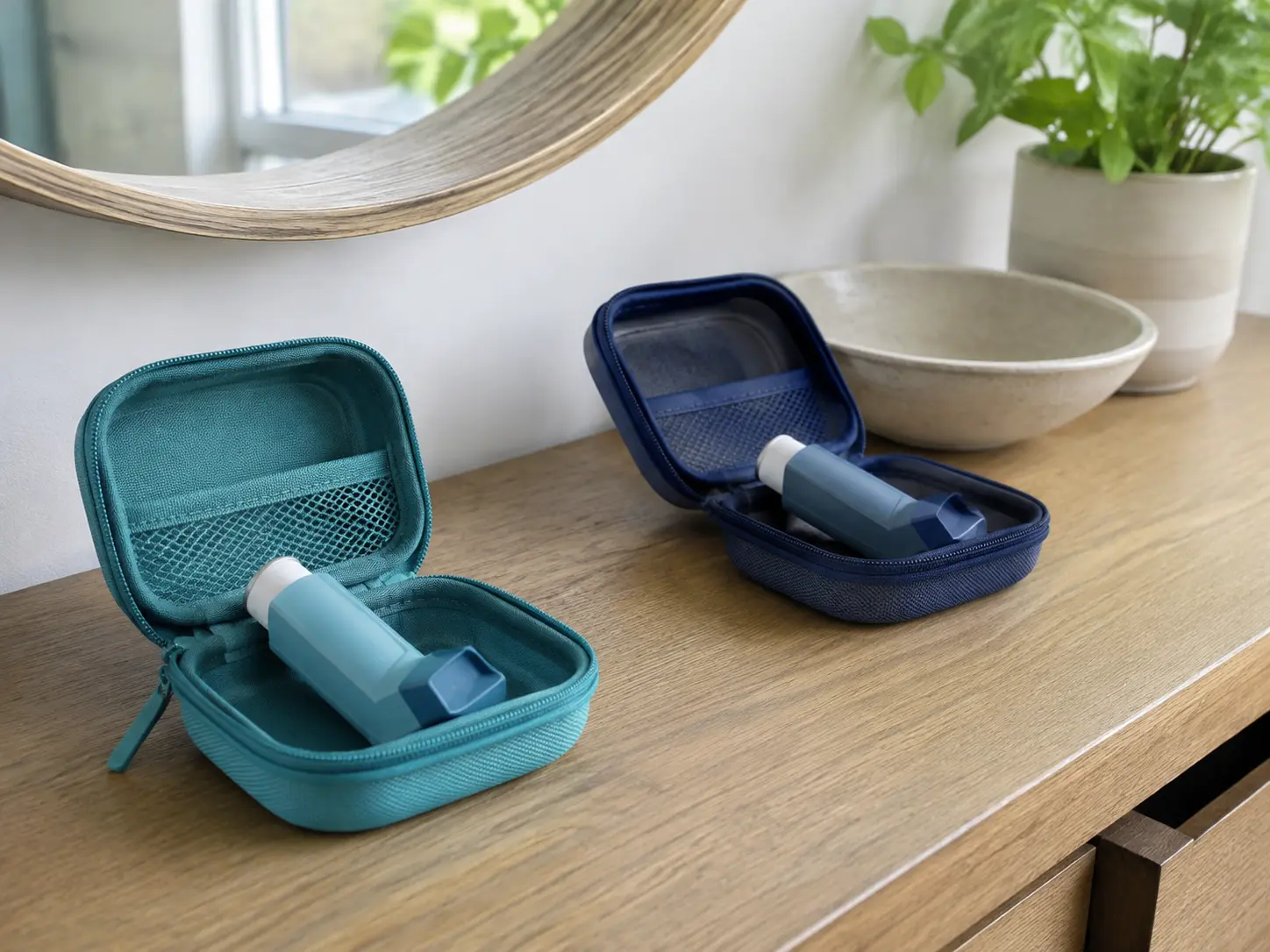
No; the medicine and technique must be prescribed and taught for that individual.
Sudden or severe onset, blue lips, chest pain and inability to speak are warning signs.

About 20 seconds with soap and water allows all hand surfaces to be washed.

If hands are not visibly dirty, sanitiser with at least 60% alcohol is an option.

Dose and duration are chosen for the infection; irregular use disrupts treatment.

Perishable food needs prompt refrigeration; heat shortens the safe interval.

Adults also need vaccines depending on age, health, work, travel and vaccination history.

Facial drooping, arm weakness and sudden speech problems mean there is no time to lose.

Chest pressure or heaviness with breathlessness, cold sweat or spreading pain is a warning sign.
Very little urine, confusion, severe weakness, a fast pulse and inability to drink are warning signs.

Vomiting blood, black tarry stool or a substantial amount of fresh blood require urgent assessment.
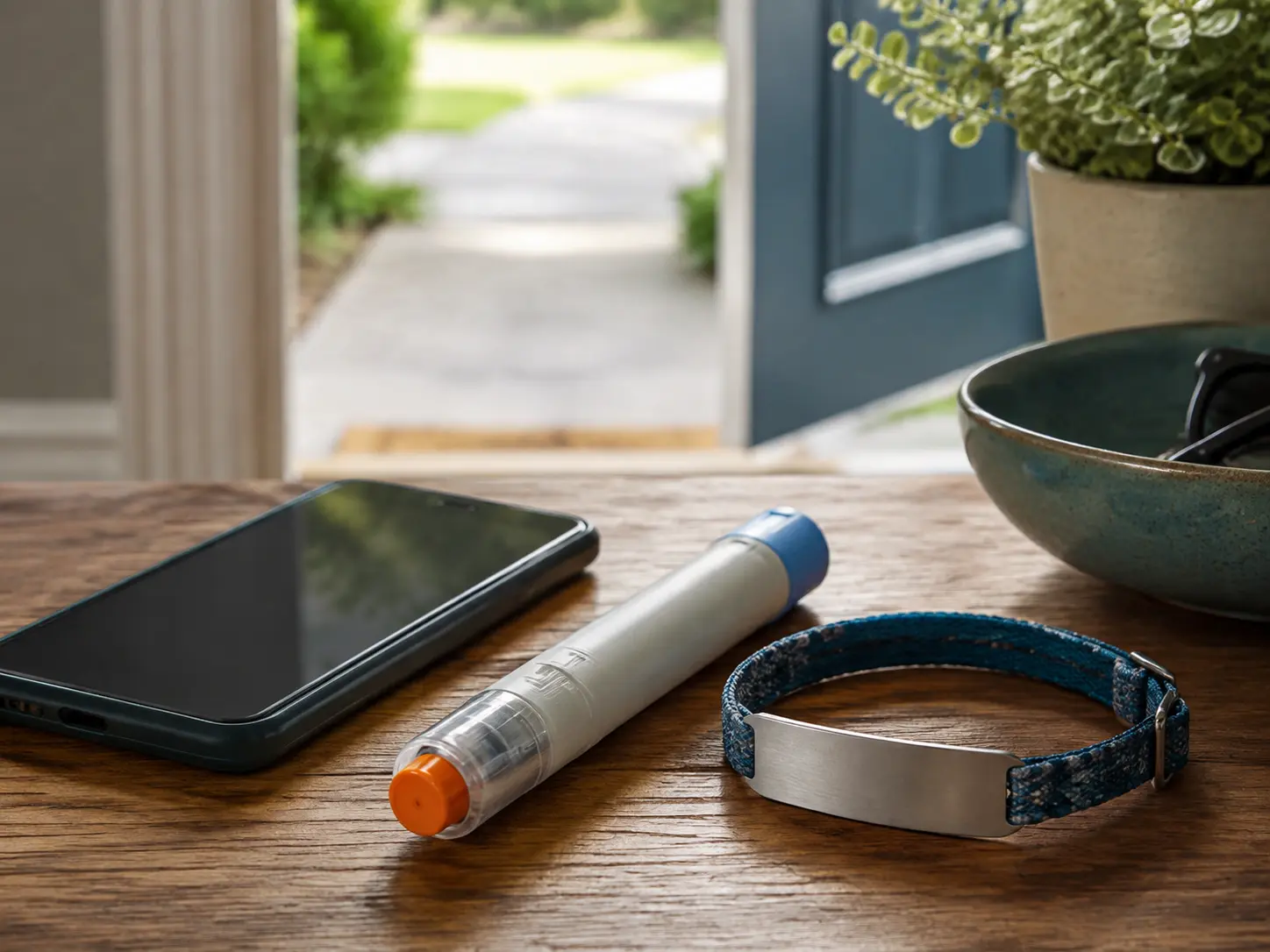
Tongue or throat swelling, wheezing, breathlessness, sudden weakness or widespread hives may indicate anaphylaxis.
Dr. Mohsen Rafati-Sokhangu · General Surgeon
No. 9, Parastar St., between Parastar 1 & 3, next to the multi-storey car park, Ahmadabad, Mashhad
Saturday to Thursday, 6:00–8:30 PM
+98 51 3845 6650