Thirst, frequent urination, weight loss and blurred vision may occur, but symptoms may be absent.
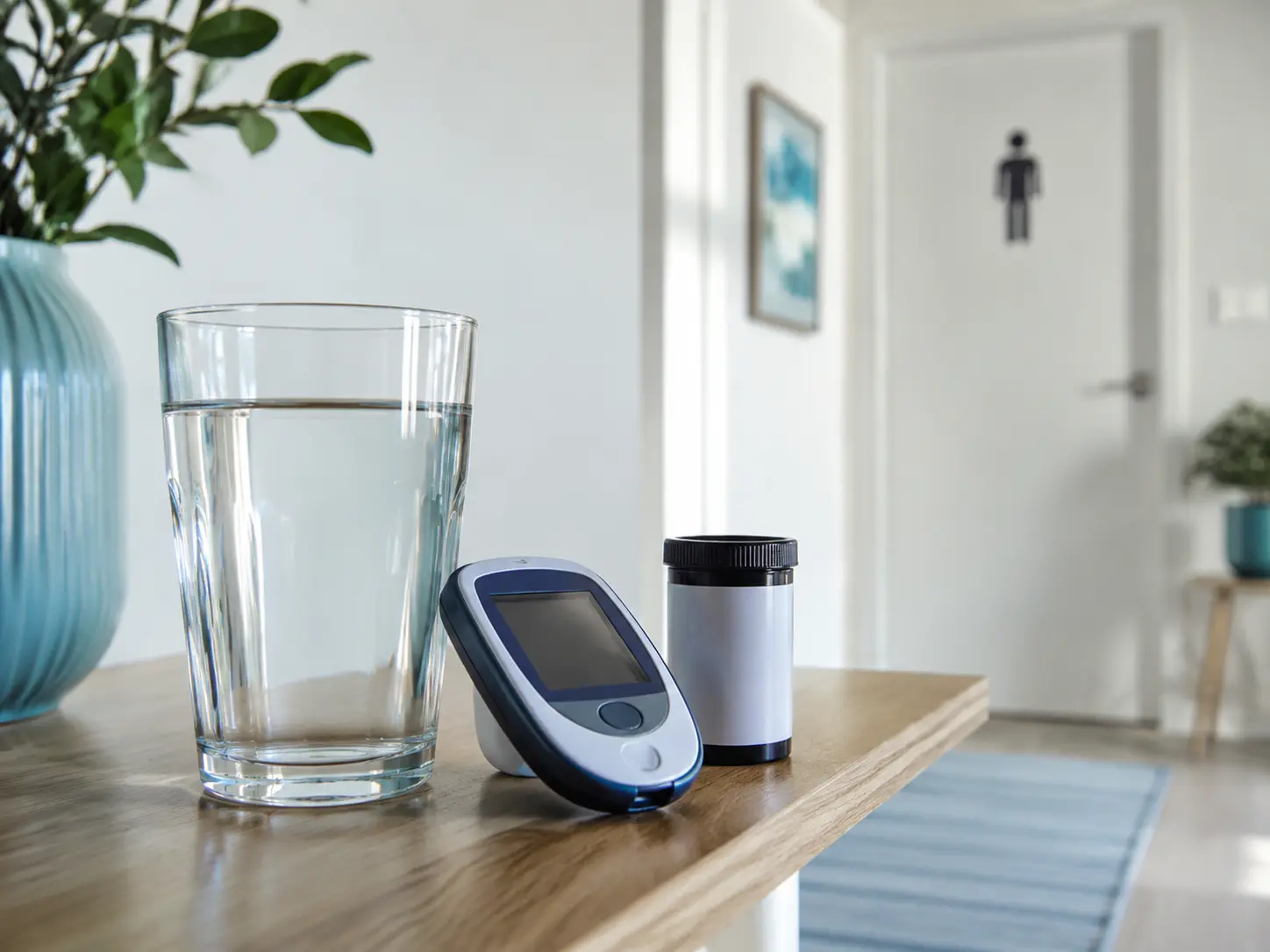
Diabetes may remain symptomless for a long time and be detected by testing. Excessive thirst or urination, fatigue, unexplained weight loss, blurred vision or slow-healing wounds need assessment. Nausea, unusual breathing, confusion or marked drowsiness in someone with diabetes is urgent.
Medical principle
High blood pressure and diabetes may remain symptomless for a long time. Correct measurements and periodic tests in people at risk are more reliable than waiting for symptoms. Lifestyle changes complement treatment and are not a reason to stop medicines yourself.
Practical steps that may help
- Record blood pressure in standard conditions on different days and show the average to your doctor.
- Regular activity, less salt, enough sleep, stopping tobacco and a suitable weight help reduce cardiovascular risk.
- Do not change blood pressure or diabetes medicines because of one good or bad reading without advice.
When should you seek medical care?
Chest pressure or pain, breathlessness, fainting, sudden one-sided weakness or numbness, speech problems or reduced awareness are emergencies.
View a trusted medical source ↗